That moment when your skin feels tight by noon, and your makeup looks patchy by dinner, despite doing everything right, is often a sign of an imbalanced skin barrier, rather than a product issue. When the skin barrier is off-balance, dryness shows faster, texture becomes more apparent, and even non-irritating products can feel irritating.
This is where probiotic skin barrier support products fit in. Probiotic skincare isn’t about achieving perfection or quick solutions. It’s about skin that feels more relaxed and balanced.
In this blog, we’ll break down what the skin barrier is, what probiotic skincare entails, and how to create a simple routine for healthier-looking skin.
The primary role of your skin barrier is to help retain moisture and ensure that your skin feels comfortable. Probiotic-infused or microbiome-friendly ingredients in your skincare routine are often associated with supporting skin that feels nourished and balanced.
A balanced-looking skin barrier can mean that your skin looks smoother, feels more comfortable, and is more evenly hydrated. When your skin retains moisture, your texture can appear softer and more naturally glowing, without looking greasy.
Research on the skin microbiome often frames a balanced skin barrier as something that can help your skin look more comfortable and calm over time. That’s why probiotics are often positioned as a beneficial addition for skin barrier support, rather than an active ingredient.
Probiotic face care will likely appeal to those with skin that is:
Easily irritated by “too much.”
Dry, especially in the middle of the day.
Dull with an uneven texture.
Over-exfoliated or switching products too frequently.
Perhaps your routine is full, but your skin is still feeling unbalanced. Probiotic skincare can be a more gentle reset for your skin, focusing on comfort and balance. If irritation is a problem or feels severe, it’s a good idea to check in with a dermatologist.

If your skin barrier is all over the place, less is definitely more. Here’s a probiotic-centric skincare routine that focuses on probiotic skin barrier support, gentle cleansing, balanced support, and easy hydration.
Barrier-friendly cleansing shouldn’t leave your skin feeling tight. It’s best to cleanse with lukewarm water and minimal friction, ditching the squeaky-clean mentality that often comes with harsher cleansers.
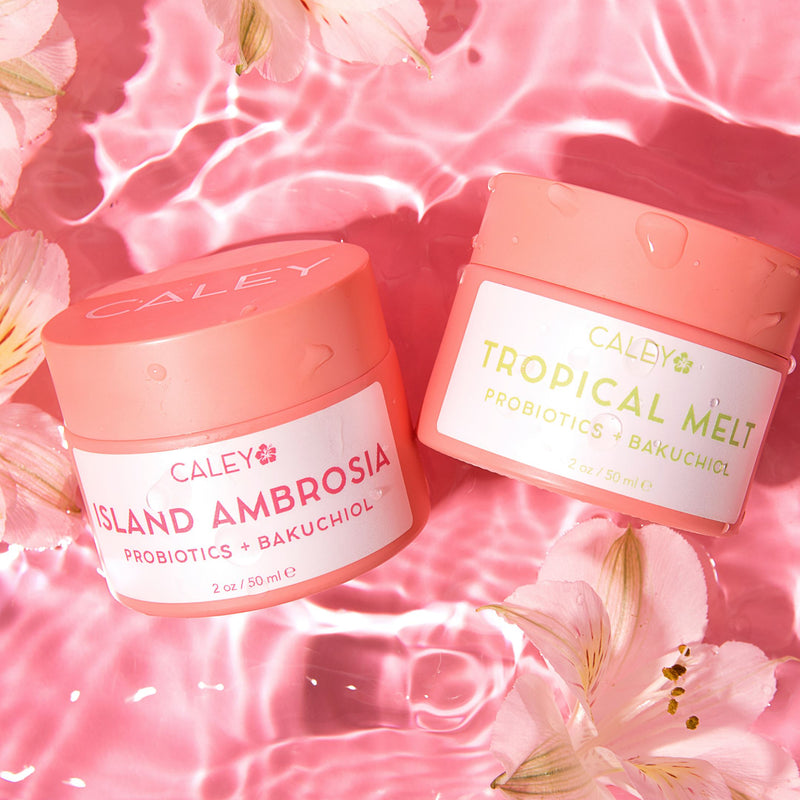
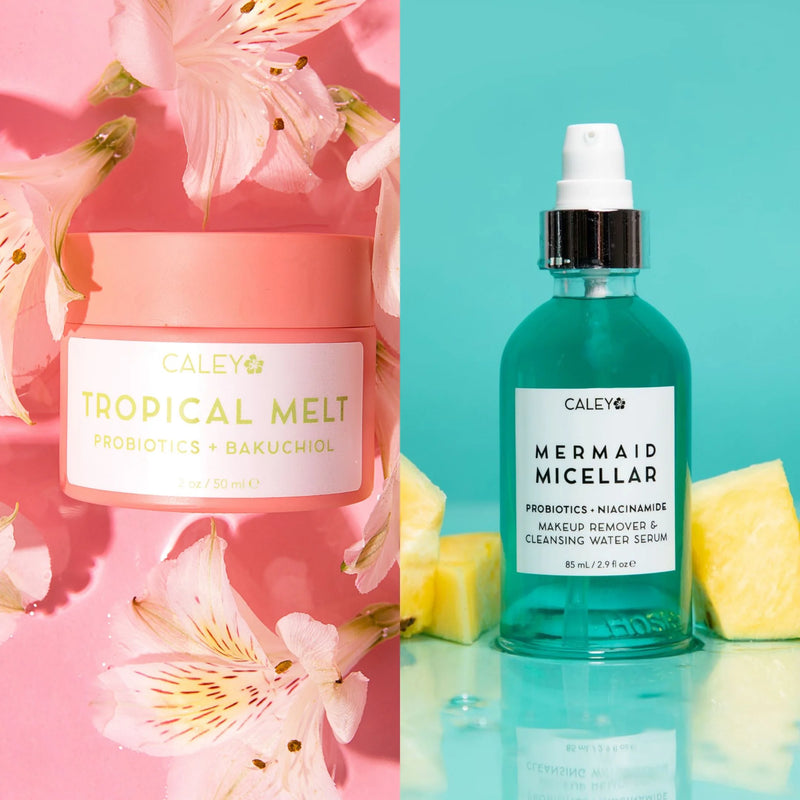
Caley’s Moon Jelly Gel Cleanser Mask and Tropical Melt Bakuchiol Cleansing Balm are formulated to cleanse effectively while helping skin feel hydrated.
This is where probiotic face care can really shine. It’s a matter of light layers pressed into the skin, not rubbed in aggressively. It’s consistency that counts, not piling multiple products on top of each other at once.
A gentle option like Mermaid Micellar Cleansing Water Serum can serve as a daily maintenance step that feels refreshing without overwhelming your skin barrier.
Moisturizer is often where barrier support really shows up. The skin may appear plumper, feel less rough, and hold onto hydration longer.
The Island Ambrosia Bakuchiol Moisturizer is a bakuchiol-and-probiotics formula that helps support the skin barrier and leaves skin looking plump and glowing.
When your skin feels overwhelmed, simplicity is the answer. For one week:
Gently cleanse
Moisturize consistently
Hold off on additional actives and harsh exfoliation
When your skin feels more at ease, introduce products gradually, one at a time.
Probiotic skincare products often pair well with ingredients that support hydration and comfort. Hydrators, gentle emollients, and barrier-supporting staples are often combined in calmer skincare routines.
Caley’s ingredient approach emphasizes probiotics paired with gentle actives such as bakuchiol and niacinamide, framing them as supportive rather than intense. The emphasis remains on helping skin look more hydrated, balanced, and calm.
On the other hand, it’s important to avoid over-exfoliating, layering too many strong actives, or cleansing too aggressively. This can keep your barrier from feeling settled, regardless of how many probiotic products you use.
One of the most common myths about probiotic skin barrier support is that it will work overnight. Barrier support is all about slow progress, not magic. Here are a few common mistakes to watch out for:
Swapping products too frequently can keep your skin from settling. Give each step some time before changing it.
Tingling isn’t proof that something is working. If it feels uncomfortable, scale back.
Adding several new products at once makes it hard to tell what your skin likes. Introduce one new step at a time.
Over-exfoliating or using strong actives too often can leave your barrier feeling stressed. Ease up and prioritize hydration.
It’s also important to remember that many probiotic skincare products contain ferments or lysates, and that’s still okay. Keep things gentle, and let your barrier catch up.

A healthy-looking barrier can be created with easy, repeatable steps, not aggressive routines or trial-and-error. Begin with one supportive anchor product, and you may start to notice a difference in your skin.
When you’re ready to simplify, incorporate a probiotic moisturizer, such as Island Ambrosia Bakuchiol Moisturizer, for hydration that can help support a calm, balanced complexion.
Check out Caley Cosmetics’ Probiotic Skincare Collection when you’re ready to give your skin the vacation-state reset.
Kids are drawn to makeup for the ritual, not the routine, which makes it a perfect moment to teach clean beauty basics. This guide breaks down age-appropriate makeup lessons, simple safety rules, and how to build a small, thoughtful first kit. The goal isn’t more products, it’s smarter habits that grow with them.
Planning a Galentine’s night in? Create a clean beauty makeup bar with easy, non-toxic looks, simple hygiene rules, and fun activities that feel relaxed-not overdone.