


-
Shop
PRODUCT - About Us
- Island Time Blog
Beauty labels love a glowy buzzword. You will see “prebiotic,” “probiotic,” “postbiotic,” “microbiome-friendly,” and “fermented” on skincare products, but those terms do not all mean the same thing.
If you are trying to understand prebiotic, probiotic, and postbiotic skincare, this blog will help you read labels, understand claims, and choose products with more confidence.
Your skin has its own natural ecosystem, and a good routine should support it. Microbiome skincare, simply put, means choosing formulas that help skin feel balanced, comfortable, and cared for.
That is why microbiome language is showing up everywhere. Beauty is moving toward gentler routines, skin-barrier ingredients, and formulas that work with the skin.
The trick is knowing whether “microbiome-friendly” or “fermented” skincare language actually tells you something useful, or is just front-label sparkle.
Prebiotic, probiotic, and postbiotic skincare can sound like one big beauty category, but each term means something different. Knowing the difference helps you look past the front label and choose formulas that actually make sense for your skin goals.
Prebiotics are ingredients that help support beneficial microorganisms on the skin’s surface. In skincare, a prebiotic claim usually suggests that the formula is designed to support the skin’s natural ecosystem.
That sounds lovely, but “prebiotic” should not be the only reason you choose a product. The full formula still matters. Look for clear explanations, gentle skin barrier ingredients, and language that focuses on comfort, hydration, and balance rather than vague promises.

Probiotics generally refer to live microorganisms that confer a benefit when present in the right amounts. Probiotic skincare gets a little more complicated because many cosmetic products use probiotic-inspired language without necessarily containing live organisms.
That is why clarity matters. The brand should explain whether the formula contains live cultures, probiotic ferments, lysates, extracts, or probiotic-inspired ingredients.
Caley Cosmetics formulates with probiotic ferments, lysates, and prebiotics, which gives you a clearer starting point than vague "microbiome" language alone.
Postbiotics are non-living microbial preparations, components, or byproducts tied to microbial activity. They are not the same as probiotics, and using the terms interchangeably can make labels confusing for shoppers.
Read what the product actually contains, not just what the front label says. If a brand mentions postbiotics or fermented skincare, it should explain what that ingredient does in the formula.
Fermented skincare refers to products that use ingredients processed through fermentation. That process can change an ingredient’s composition, but it does not automatically make the final product probiotic, prebiotic, or postbiotic.
That distinction matters when you are comparing prebiotic, probiotic, and postbiotic skincare claims. Fermented describes how an ingredient was made. Probiotic refers to live beneficial microorganisms.
Postbiotic refers to non-living microbial preparations or components. Prebiotic refers to ingredients used by beneficial microorganisms. When a label says “fermented,” look for what the brand explains next.
The front label may say “microbiome,” but the ingredient list and product explanation tell the fuller story. When you pick up a product using any of these terms, run through a few simple checks before you buy:
Does the brand explain what the term means in the context of its formula?
Does the ingredient list support the claim?
Is the claim focused on comfort, hydration, balance, or skin barrier support?
Does it promise more than a cosmetic product should?
Does the formula fit a gentle routine instead of pushing harsh, stripping results?
Watch out for phrases like “powered by probiotics” when the brand does not explain what that means in practice. Clear brands make microbiome skincare explained feel simple before you have to dig.
Microbiome-focused skincare and skin barrier support overlap more than most labels make clear. Products that support the skin barrier usually focus on comfort, hydration, and a healthy-looking finish. Skin barrier ingredients work toward the same goal: helping skin feel balanced, soft, and resilient.
Harsh skincare habits can work against that comfort. Stripping cleansers, too many intense steps, over-exfoliation, and constant product switching can all put pressure on the skin’s surface.
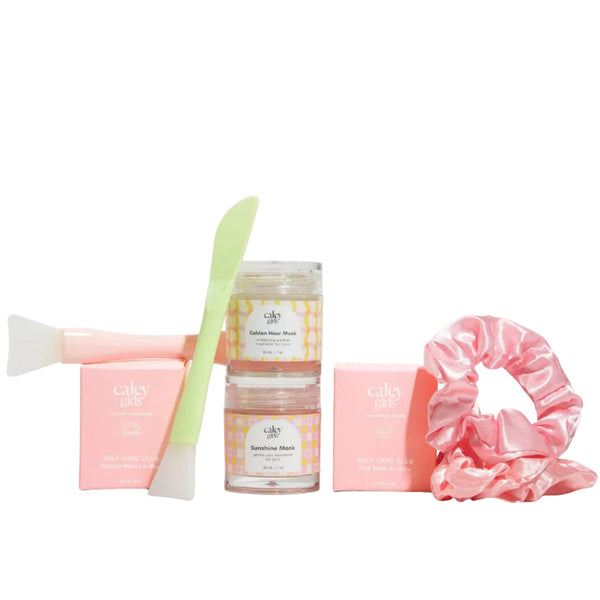
Caley Cosmetics builds skincare around probiotic-infused formulas and a skin-first approach, with the goal of supporting a healthy-looking, balanced glow instead of pushing skin past its happy place.

Choosing microbiome skincare gets easier when you stop shopping by buzzword and start checking what the formula actually says.
Look for brands that explain their microbiome language clearly
Read beyond the front label
Choose products that fit a gentle, consistent routine
The best prebiotic-probiotic-postbiotic skincare choice is not always the product with the loudest claims. It is the one that supports your real goals, such as comfort, hydration, balance, or glow.
Look for skin-barrier ingredients, clear product explanations, and formulas that do not promise extreme or clinical results.
No, prebiotics support beneficial microbes, whereas probiotics are live microorganisms.
No, fermented skincare means an ingredient underwent fermentation, but that does not prove live probiotics are in the final product.
No, postbiotics are non-living microbial preparations, components, or byproducts.
It can fit many routines, but the full formula and your skin’s needs matter most.
Check whether the brand explains the microbiome claim clearly and whether the ingredient list supports it.
Microbiome skincare explained well should make shopping feel clearer, not more confusing. Prebiotic, probiotic, postbiotic, and fermented skincare all mean different things, so choose formulas with clear claims over trendy label language.
For a softer starting point, explore Caley Cosmetics’ Probiotic Skincare Collection.